Meet Our Wildlife Biologists & Conservation Researchers
The Cougar Rewilding Foundation brings field biology, genetics, policy work, and records-based research to the hard question of eastern cougar restoration.
Rigorous Science for Ecological Restoration
Cougar restoration in the East cannot run on nostalgia. It needs people willing to kneel in wet leaves, question a blurry trail-camera frame, protect a possible scat sample from contamination, and still ask whether the larger landscape can support a breeding population.
That is the work of this team. Our researchers treat each report as a field problem first: where was it found, what physical sign remains, what chain of custody exists, and what alternative explanation fits the evidence? That approach keeps advocacy tied to evidence rather than wishful thinking.
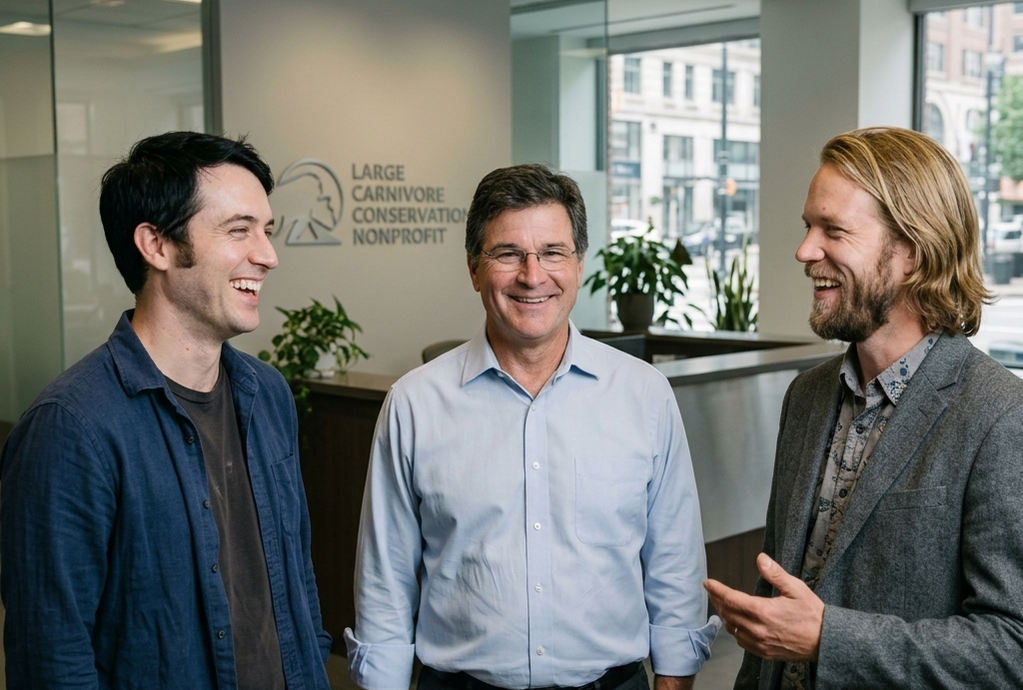
The foundation’s role is practical. We connect sighting review, habitat questions, historical records, and restoration planning so that public interest in cougars can move toward decisions that land managers, researchers, and communities can actually examine. Our work also connects back to the mission described by About the Cougar Rewilding Foundation.
Our evidence standard is conservative: a report may guide where we place cameras or request records without being treated as confirmation unless the material can be checked through field documentation, genetics, clear imagery, or original source records.
Field Research Leadership
Field leadership begins before anyone sets a camera. It starts with the boring questions that decide whether the work will matter later: who handled the sample, how was the track measured, where was the camera mounted, and can another researcher reconstruct the decision?
Field Research Director
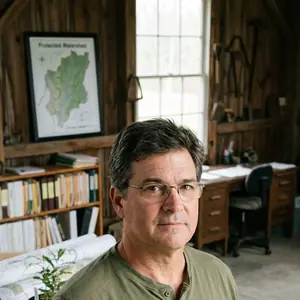
Caleb Hartwell
Field Research Director
I build field protocols that separate hopeful reports from evidence strong enough to test. My work focuses on camera grids, track documentation, scat handling, and transparent reporting for eastern carnivore recovery.
Caleb’s job is not to make every report sound exciting. It is to make the next step clear. A roadside print may call for scale photographs and substrate notes. A possible scat sample may call for careful handling, storage, and a decision about whether genetic testing is warranted. A repeated local report may call for a camera grid rather than another round of speculation.
That discipline matters because the eastern cougar conversation has been damaged by overstatement. Good field leadership gives residents a way to contribute without turning every shadow into a claim.
Research, Genetics & Policy Experts
Restoration work only holds together when different kinds of expertise challenge each other. A field biologist may ask whether sign is fresh. A geneticist may ask whether a sample was protected well enough to test. A policy adviser may ask whether a restoration idea survives public process and habitat limits.
Carnivore Field Research Biologist
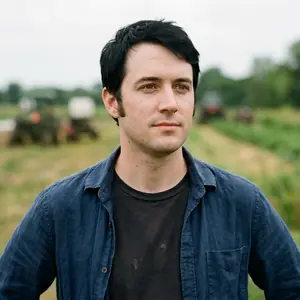
Dave Maehr
Carnivore Field Research Biologist
I approach every cougar report as a testable field question, not a conclusion. My work focuses on careful evidence review, transparent methods, and practical conservation outcomes.
Wildlife Biologist
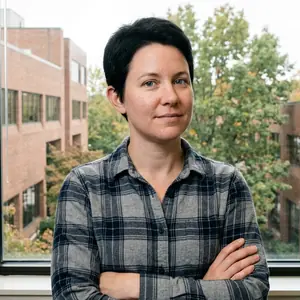
Laura McAllister
Wildlife Biologist
Laura evaluates rewilding proposals against habitat capacity, prey availability, conflict risk, and peer-reviewed carnivore models. Her work connects historical eradication to present-day restoration decisions.
Conservation Geneticist

Linh Nguyễn
Conservation Geneticist
Linh analyzes carnivore DNA with an emphasis on contamination control, comparative reference data, and cautious interpretation. Her work helps distinguish verified biological evidence from misidentified or degraded samples.
Rewilding Policy Advisor
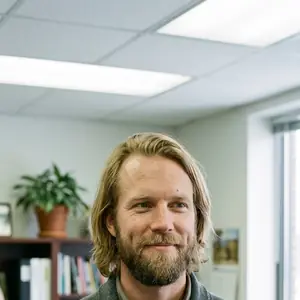
Erik Lundqvist
Rewilding Policy Advisor
I test rewilding policy against ecological constraints, social tolerance, and long-term population viability. My focus is turning carnivore restoration from aspiration into enforceable, measurable planning.
Senior Research Analyst
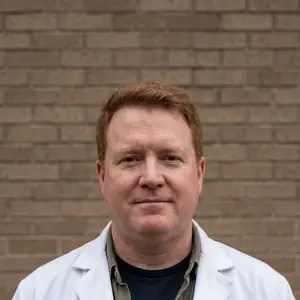
Marcus Tall Bear
Senior Research Analyst
I investigate cougar claims and foundation decisions by following original records, not recycled rumors. My work keeps public advocacy tied to documents, field logs, and verifiable evidence.
Our Standards for Verifiable Evidence
People often come to cougar work with a story that feels certain. A large cat crossed a lane at dusk. A scream came from a ridge. A track looked too big for a bobcat. We take those reports seriously, but seriousness is not the same as automatic acceptance.
Our team looks for material that can be checked by someone who was not present for the first report. Original files matter because metadata and image quality can be lost when pictures are copied through social media. Track photographs need scale. Biological samples need handling notes. Historical claims need documents close to the event, not a rumor repeated for decades.
This standard does two things at once. It protects the public from exaggerated claims, and it protects real evidence from being dismissed because earlier conversations were sloppy. That is the narrow path serious conservation work has to walk.
For sightings, records, or field material that may help the research team, start by opening Contact Us and sending the original file, the date, the location, and the clearest description you can write before memory starts to smooth the edges.