

Field Research & DNA
Scientific methodologies, DNA analysis, and field studies conducted in the Appalachian Mountains and beyond.
Page 1 of 1
Genetic Profiling: DNA from scat, hair, or environmental traces can help identify individual cougars, test lineage, and separate credible biological evidence from wishful field reports. Remote Camera Trapping: Motion-activated cameras placed along ridgelines, game trails, and pinch points can document large carnivore movement without baiting or close human contact.
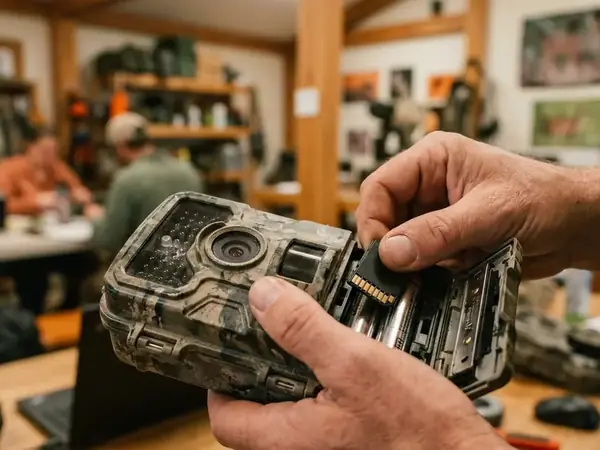

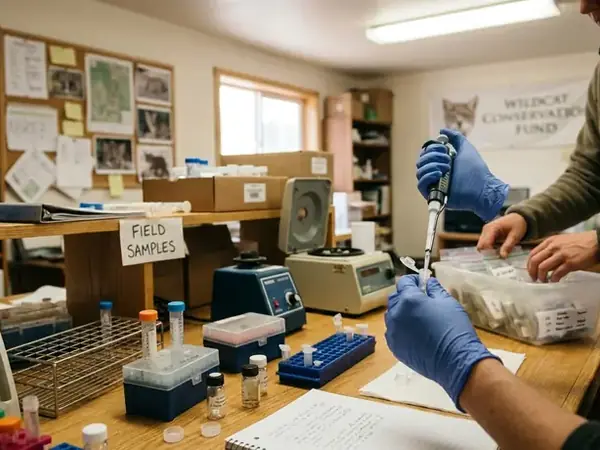
Eastern cougar field research rewards patience more than drama. A blurry photograph may start a conversation, but it cannot carry the weight of a conservation claim by itself. The stronger cases come from clean sample handling, documented location records, expert review of tracks or hair, and qualified laboratory work that can withstand skeptical reading.
For advocates and citizen naturalists, the practical lesson is simple: protect the evidence before interpreting it. Bagging a scat sample badly, walking through a track line, or circulating an unverified image can weaken the very case people hope to support. That is why eastern cougar work now treats a scat sample, a hair snag, a track line, and a camera image as pieces of one evidence chain, not as trophies. In 2018, the U.S. Fish and Wildlife Service removed the eastern cougar from the federal endangered species list after concluding the subspecies was extinct.