Rewilding Advocacy
Educational resources and advocacy tools for people working through the ecological and civic questions behind carnivore restoration.
A landowner finds a track in wet clay. A driver reports a long-tailed cat crossing a logging road at dusk. A volunteer pulls a hair sample from a fence line and hopes it is more than deer, bobcat, or dog. Each case starts small, and most stay small.
The larger question is not whether every report is right. It is whether eastern forests, agencies, and communities are prepared to talk honestly about carnivore recovery after generations of eradication. That is where our work sits: field research, DNA review, habitat discussion, public education, and careful rewilding advocacy.
We are a nonprofit research and advocacy organization focused on the eastern cougar and other large carnivores in their pre-colonial habitats, with work centered on evidence, ecological literacy, and restoration feasibility.
Federal extinction status gives the eastern cougar a hard policy backdrop. Ground-level work is messier: mud, poor light, camera angles, contaminated samples, and honest reports that still cannot be verified.
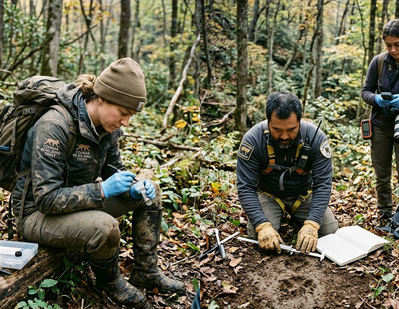
Our field approach starts with the physical record. Track measurements, camera placement, hair collection, scat recovery, and chain-of-custody notes matter because a compelling story is not the same as a reliable record. Dave Maehr’s evidence assessment experience, Caleb Hartwell’s camera-trap protocols, and Linh Nguyễn’s DNA validation work keep the process anchored in what can be checked.
A single hair, track, or image never carries the whole conclusion; we look for context, repeatability, and independent lines of evidence before treating a report as meaningful.
For readers who want the technical side, our field research program explains how noninvasive DNA sampling and remote cameras help evaluate elusive felines without turning every sighting into a headline.
Large-carnivore restoration is not a single campaign. It takes public memory, field methods, policy literacy, and a way to handle disputed evidence without dismissing the people who report it.
Educational resources and advocacy tools for people working through the ecological and civic questions behind carnivore restoration.
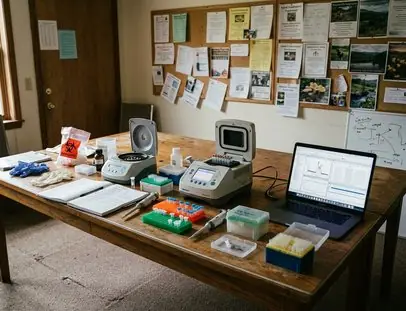
Methods for camera surveys, field sign verification, environmental DNA, and sample handling in Appalachian and eastern woodland settings.
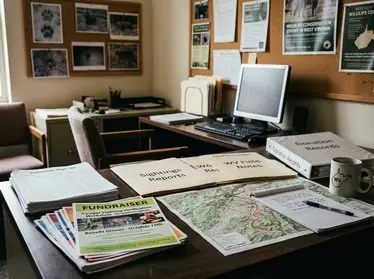
Documentation and review of alleged cougar observations, with attention to photographs, tracks, habitat context, and common misidentifications.
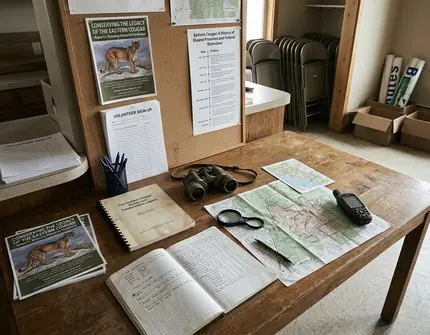
Historical context on eradication, federal extinction status, and the researchers who kept the eastern puma question in public view.
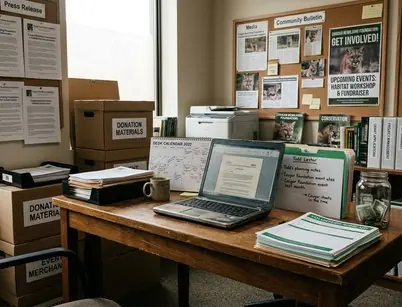
Updates from the Cougar Rewilding Foundation, including media mentions, volunteer stories, and project announcements.
If you have a possible cougar observation, start with location, date, scale reference, and original media. Cropped screenshots and secondhand descriptions usually remove the details needed for review.
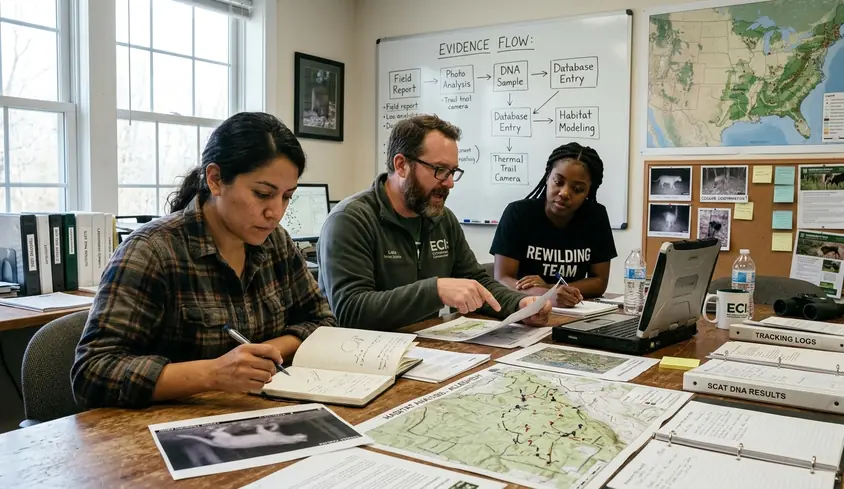
Conservation movements need passion, but field decisions need restraint. Our team brings carnivore biology, genetics, habitat modeling, policy analysis, sightings review, and archival research into the same conversation.
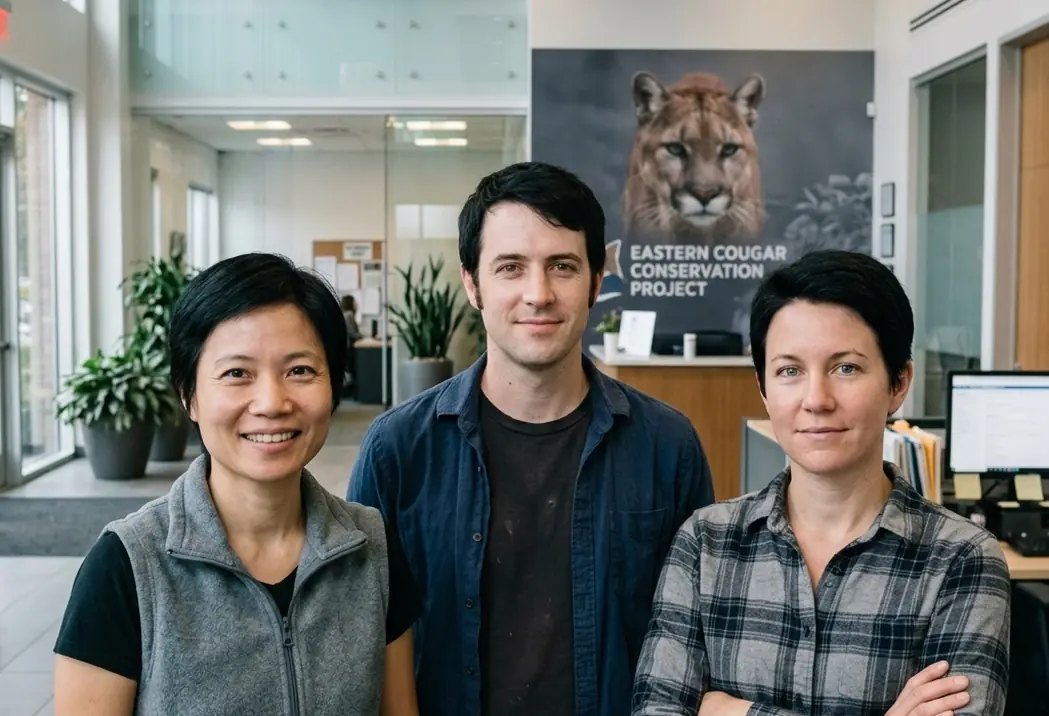
Dave Maehr leads carnivore field evidence assessment and noninvasive DNA sampling. Caleb Hartwell directs track surveys, camera-trap design, and field verification protocols. Linh Nguyễn focuses on wildlife DNA, environmental DNA, and sample validation. Laura McAllister works on carnivore ecology, habitat modeling, and restoration feasibility. Erik Lundqvist advises on carnivore restoration policy, corridor governance, and risk analysis. Marcus Tall Bear brings sightings verification, archival research, and institutional accountability to the work.
That mix matters because rewilding cannot be built from field evidence alone, and policy cannot be written from maps alone. The two have to meet where forests, roads, livestock concerns, public trust, and long-range dispersal all collide.
Our public education work is intentionally conservative with claims. A report may be worth investigating without being treated as confirmation, and a negative finding can still improve future search design.
Share Evidence or Ask a Research Question
Bring us a clear photo with a scale reference, or a track cast from wet ground, and we will tell you what the record can and cannot support.
Uncover the challenges people face.
Build solutions that drive lasting good.
Show our outcomes with full openness.