What drives a person to spend six freezing winters scouring the Appalachian mountains for a ghost? In Kerry Gyekis’s case, the answer was not romance in the easy sense. It was discipline: the decision to look only when the mountain could briefly write back.
In this Article
- Tracking a Ghost Through the Snow
- Connecting Isolated Trackers
- The 2007 Digital Transition
- Why Field Documentation Matters for Rewilding
- The Next Generation of Conservationists
Tracking a Ghost Through the Snow
The season that made evidence readable
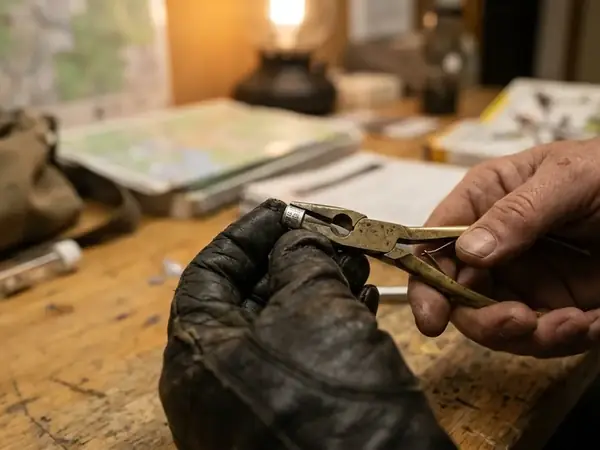
Winter was the practical season, not the picturesque one. Snow could hold a track line long enough for a careful observer to read stride, direction, pressure, and sequence. Mud could preserve a pad edge. Ice crust could betray weight. Then the same conditions could ruin the record before a camera came out of a pocket.
Gyekis’s field commitment spanned six winter seasons. That matters. A six-winter search is not a weekend survey stretched into a legend; it is repeated exposure to cold hands, stiff boots, poor footing, and the long return walk after a track line vanishes at exposed rock.
Appalachian tracking changes with small shifts in terrain. A shaded logging road may hold prints after dawn, while a south-facing slope loses detail before midday. Wind-packed crust can simplify a paw into a vague oval. Rain-glazed ice can harden the surface until even a heavy animal leaves almost nothing. Rapid thaw can expand an ordinary track into something that looks more dramatic than it is.
Caution: A single large track in melting snow can look persuasive but may be an expanded bobcat, dog, or overlapping print unless the stride pattern, scale, substrate, and surrounding sign are documented.
The physical test behind the photograph
Field documentation begins before the shutter click. It begins with where a person chooses to walk.
Gyekis’s search moved through steep Appalachian terrain where each step could change the evidentiary value of the day. Frozen leaf litter hid impressions. Stream crossings broke continuity. Rocky ridges forced inference. A track line that looked promising in a sheltered hollow could disappear where wind had scoured the ridge clean.
That is why the human connection to the landscape matters in large carnivore conservation. A tracker who knows how snow behaves under hemlock, how thaw runs off a south slope, and how animal travel funnels near a crossing reads more than a print. He reads the conditions that produced it.
The work also asks for emotional stamina. The eastern cougar occupies an uneasy space in public memory: eradicated historically, reported often, verified rarely. To search responsibly is to hold hope and skepticism in the same gloved hand.
Connecting Isolated Trackers
From private notebooks to shared review
Before the Eastern Cougar Foundation’s public web presence matured, solitary field volunteers faced a plain problem. A track photograph in a camera, a measurement in a notebook, and a memory of weather conditions do little for conservation if they stay with one observer.
The Yahoo listserv became a lifeline because it matched the way field people actually worked. Members did not need to be in the same county, or even online at the same hour. They could return from their own winter surveys, open the list, and examine what another observer had posted.
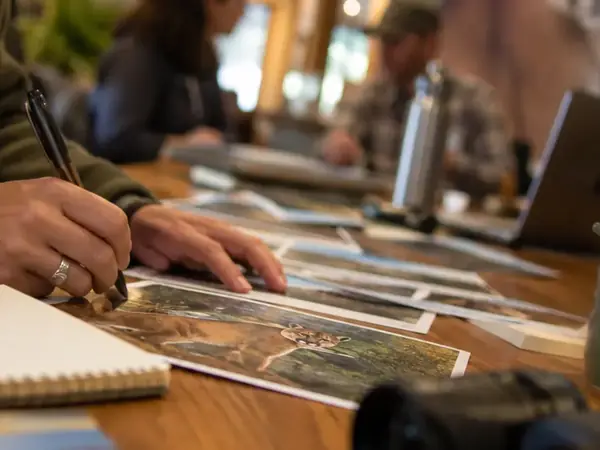
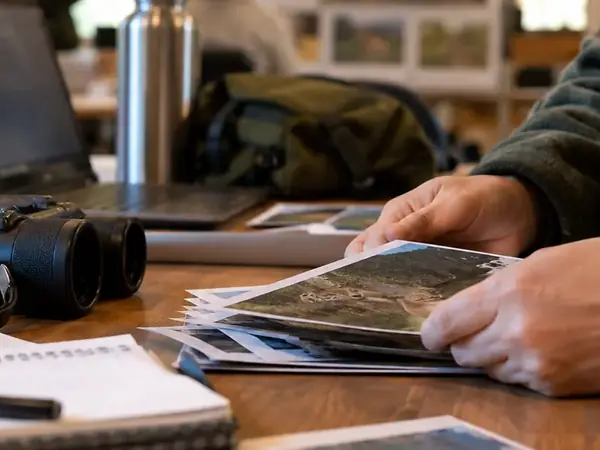
That asynchronous rhythm suited Appalachian fieldwork. One volunteer might upload track images to the list’s photo area. Another might place field notes, measurements, and related documentation in the file section. A third could study the sequence later and ask whether the scale reference, substrate, or travel direction supported the interpretation.
Peer attention without formal publication
The listserv did not turn every report into strong evidence. It did something more modest and more useful: it moved observations into view before formal publication existed.
For a dispersed conservation community, that step mattered. The system connected observers working in different Appalachian locations to people who could compare field signs, challenge assumptions, and preserve context. It gave a lone winter walk a second reader.
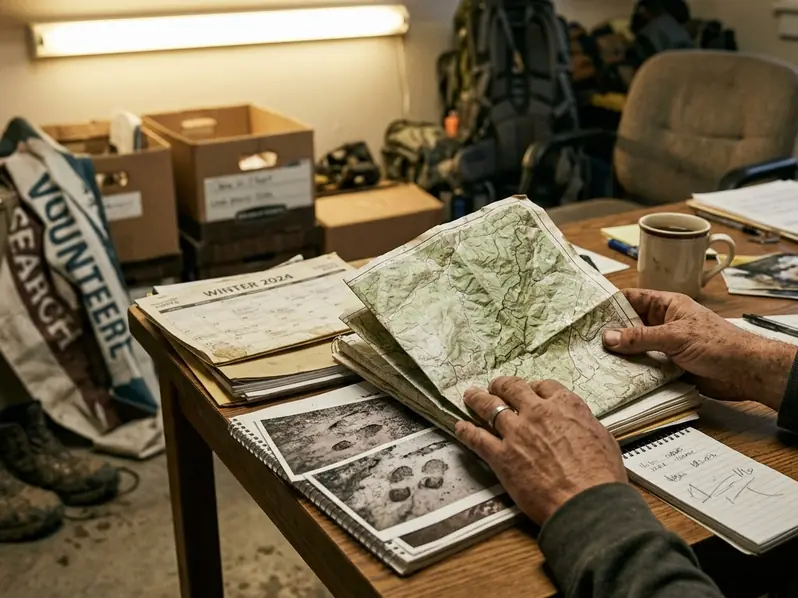
In practice, that peer attention often mattered as much as the original photograph. Track identification depends on comparison: not only what the print resembles, but what the surrounding pattern allows. A single image can invite belief. A sequence with measurements, weather notes, and substrate description invites examination.
Expert Tip: When reviewing a possible cougar track, start with the full trail pattern before judging the cleanest print. Stride, alignment, and repeated foot shape usually carry more weight than one dramatic impression.
The 2007 Digital Transition
December decisions and a wider audience
By December 2007, the Eastern Cougar Foundation faced a communication choice. The familiar member list supported technical exchange, but it kept much of the work inside a semi-private channel. A public-facing blog could make field stories easier to find, easier to read, and easier to share with people who were not already inside the network.
Foundation records place the new blog setup in mid-December 2007, with ECF officer Helen and technical administrator Jim carrying the practical work of the transition. That date marks more than a software change. It marks a shift in audience.
The listserv served people already committed enough to join the conversation. The blog could serve a student, a landowner, a donor, a reporter, or a future tracker searching for historical context. Visibility changed the function of the same material.
List comfort versus blog access
A follow-up discussion a couple of days later weighed a familiar tension. The older list format felt comfortable because participants knew where to post, where to find files, and how to hold technical back-and-forth. The blog format offered broader access, clearer public education, and a more durable front door for the foundation’s work.
Neither format solved every problem. Moving volunteer reports into a public blog improves access, but it can strip away technical discussion if original measurements, image metadata, and peer comments are not preserved with the story. A polished narrative without the field record underneath becomes weaker, not stronger.
The better comparison is not old versus new. It is internal review versus public memory. The listserv helped people test observations among peers. The blog helped the foundation explain why those observations mattered beyond the people who made them.
That distinction still matters for conservation groups. A communication platform should not merely publish excitement. It should protect the evidence trail.
Why Field Documentation Matters for Rewilding
From winter miles to rewilding evidence
Gyekis’s six winters gain conservation value because the miles became records others could inspect. Without that conversion, field effort remains personal endurance. With it, the work can enter broader questions about habitat restoration, Appalachian carnivore corridors, and the future possibility of large carnivore recovery.
Eastern cougar rewilding, if discussed seriously, cannot rest on folklore. It needs careful documentation and multiple evidence streams: clear photographs, genetic material, verified specimens, repeated observations, habitat analysis, expert review, and, where available, DNA analysis. Track documentation by itself cannot confirm a breeding cougar population.
That qualifier does not weaken the tracking work. It defines its proper role.
A well-documented track sequence can help identify where people are looking, what habitat features draw attention, and which reports deserve closer review. It can also reveal where conditions mislead observers. In snow country, the evidence is often temporary; the record must outlast the thaw.
What a durable field record contains
A responsible field record should capture more than the apparent print. The strongest notes preserve the context around possible sign:
- Location context, including terrain position and nearby travel features.
- Date and time, so weather and melt conditions can be reconstructed.
- Weather before and during the observation.
- Substrate, such as fresh snow, softened mud, crusted ice, or leaf litter.
- Scale reference placed beside, not over, the print.
- Travel direction and track sequence when available.
- Observer interpretation separated from raw measurements.
Historical volunteer records can preserve weather, substrate, scale, track sequence, surrounding habitat, and the observer’s reasoning. Digital archiving then makes those narratives recoverable for future conservationists comparing old reports with newer camera-trap records, genetic findings, roadkill reports, dispersal evidence, or habitat-connectivity work.
Main Point: Modern communication does not replace field rigor. It amplifies the value of field rigor when the original details travel with the story.
Public documentation also broadens the circle of concern. Remote fieldwork becomes education. Education can draw donors, recruit volunteers, and build institutional memory. For a restoration movement, memory is not decoration; it is infrastructure.
The Next Generation of Conservationists
Responsible entry points for new volunteers
The next reader does not need to imitate a six-winter search blindly. A better first step is to choose a responsible point of entry and learn the ethics of wildlife tracking before chasing a rare report.
Low-impact participation can take several forms:
- Join winter track surveys where local groups already have protocols.
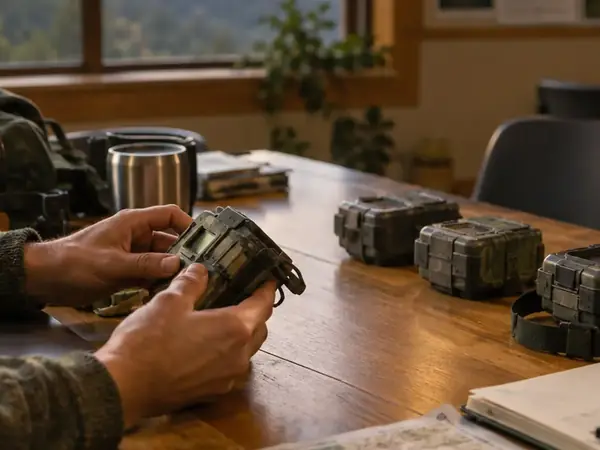
- Assist with trail-camera work where land access and permits allow it.
- Report roadkill through appropriate local channels when documentation is safe.
- Support habitat-corridor advocacy in Appalachian landscapes.
- Help archive older field notes so past observations remain usable.
Readers looking for structured ways to begin can also explore official wildlife conservation volunteer programs, then bring that same care back to local forests, ridgelines, and watershed corridors.
The chain of discovery
The legacy of volunteers like Gyekis is not only that they endured harsh weather. Many people endure weather. The harder achievement is that they treated uncertainty with respect.
They walked when snow could speak. They measured before concluding. They shared records with people who might disagree. They helped turn isolated field hours into a conservation archive sturdy enough for future review.
That is the practical heart of large carnivore work in the eastern mountains. Passion gets a tracker out the door before daylight. Protocol decides whether the day produces evidence, confusion, or a story that cannot be checked.
Are you ready to step into the woods and become the next link in this vital chain of discovery?