What Livestock and Pet Incident Reports Can—and Cannot—Tell Us About Cougars
Discover how wildlife professionals investigate livestock incidents to determine true cougar predation, separating scavenger activity from actual attacks.
The Three Questions Behind a Livestock Death
When a landowner finds a dead calf, sheep, or other animal, the first question often arrives fully formed: Did a cougar do this? A defensible investigation slows that question down. Responders separate what killed the animal, what fed on it afterward, and whether the combined evidence supports attribution to a particular species.
That separation matters for both livestock owners and recovering carnivore populations. A scavenged carcass can look violent after several hours of feeding. A genuine predation event can also lose its clearest evidence when people move the remains, wash wounds, or allow dogs into the area.
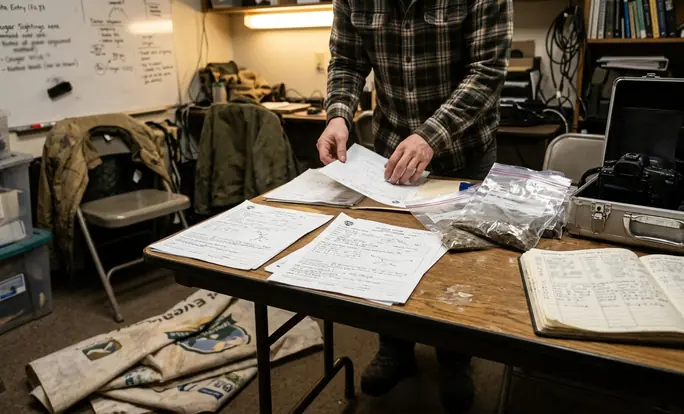
The initial report therefore records the animal’s last confirmed live sighting, discovery time, carcass location, recent weather, livestock movements, and any entry by people or dogs. Tracks, carcass condition, bite trauma, and post-mortem disturbance then remain independent evidence streams until the final review.
In this Article
The three questions behind a livestock death
How responders read the ground before touching the carcass
Feeding signs that separate scavenging from predation
What a field necropsy can establish
How field-response funding reaches an incident scene
Evidence at first light on a frozen ridge
Reading Tracks, Drag Routes, and Disturbed Cover
The first useful action at an incident site is restraint. The responder photographs the carcass and surrounding ground before moving remains, parting vegetation, or walking across likely track routes. Wide views establish the relationship among pasture, fence lines, cover, and carcass position. Closer frames preserve individual marks.
Expanding the Search Outward
From the carcass, the search follows likely approaches and drag routes. Investigators look for furrows in soil or grass, blood on rooted vegetation, broken stems facing the direction of travel, hair caught on fences, scrape marks, and repeated prints along cover edges. These features can connect a wound pattern to movement across the site.
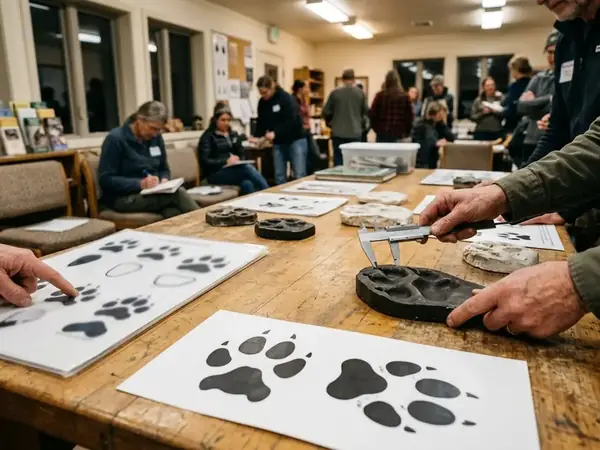
A clear adult cougar front print is commonly about 3 to 4 inches wide. It usually shows four toes in an asymmetric arrangement, a broad heel pad, and no visible claws. Each promising print should be photographed perpendicular to the ground with a rigid scale before anyone attempts a cast.
Tracks alone cannot carry species attribution. Thawing soil spreads edges. Frost can preserve only the deepest portions of a pad. Overlapping prints alter toe arrangement, while partial impressions make a smaller animal appear larger. The scene becomes persuasive when track morphology agrees with the drag route, wounds, carcass handling, and other physical evidence.
Preserve the Scene
Keep people, dogs, and vehicles outside the immediate area. Record time and weather, photograph from wide to close, cool the carcass when feasible, and leave punctures untouched for examination.
When Feeding Damage Follows an Earlier Death
An animal seen beside a carcass may simply be the latest visitor. Investigators determine sequence by documenting which tissues are missing, where loose hair lies, whether skin edges were torn or cleanly opened, and whether fresh feeding damage crosses older wounds.
Cougar-associated handling may include dragging a carcass toward cover and partly concealing it with leaves, soil, grass, or woody debris. Feeding often begins around the chest, shoulder, or abdomen, though access to the carcass can change that order. Caching gains significance when it aligns with a compatible drag path, tracks, and attack trauma.
Comparing Post-Mortem Visitors
Coyotes may enlarge existing openings and scatter portions of the carcass. Birds concentrate pecking around exposed soft tissue. Smaller mammals leave narrow gnaw marks. Responders photograph these patterns before lifting the carcass or removing debris because the overlap between old and new damage helps reconstruct timing.
This comparison also protects against a common field error: assigning the death to whichever species left the freshest sign. Disease, injury, or another cause may have killed the animal before scavengers arrived. The carcass position, tissue condition, and landscape evidence must tell a consistent chronological story.
What the Tissue Beneath a Bite Reveals
External punctures provide a map for the necropsy, not a final answer. The examiner first records abrasions, punctures, feeding openings, and suspected attack sites. The hide is then carefully reflected around the throat, neck, head, and any other area where tooth contact may have occurred.
Testing for Antemortem Trauma
Dark blood infiltration and clotting within tissue beneath a bite support trauma while circulation was active. This subcutaneous hemorrhage helps distinguish an attack wound from a puncture made during later feeding. It does not identify the predator by itself.
Species attribution requires the next layer of documentation. Paired punctures are measured center-to-center with calipers, photographed beside a metric scale, and assessed for angle, depth, and anatomical placement. Investigators then compare that geometry with tracks, drag evidence, carcass position, and any caching pattern. A conclusion gains strength through agreement among these observations.
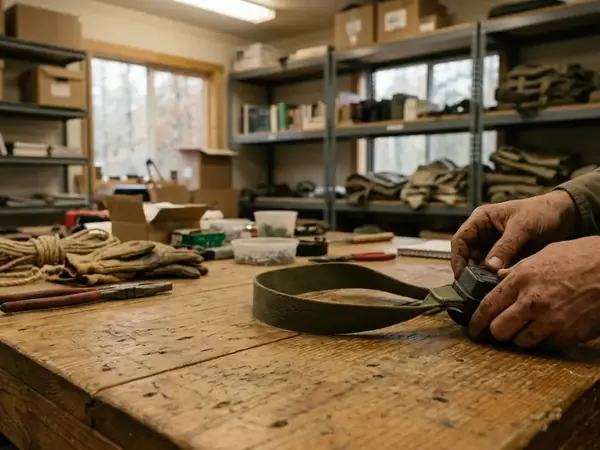
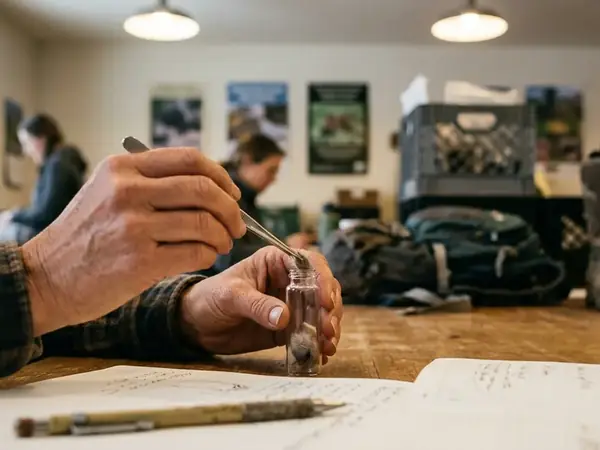
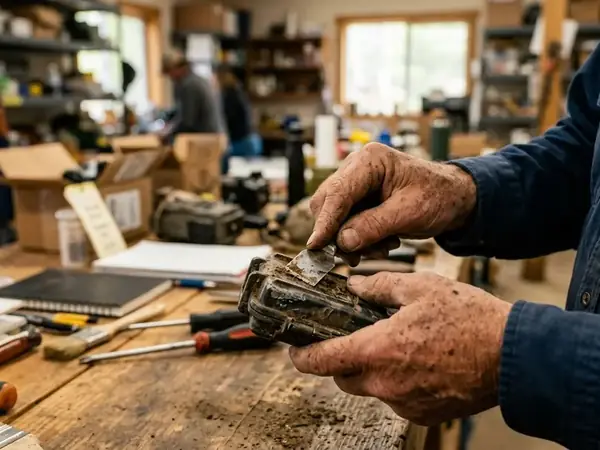
A field necropsy kit should contain a rigid metric scale, calipers, camera scale cards, disposable scalpels, forceps, sample containers, swabs, gloves, protective sleeves, evidence labels, and disinfectant. When feasible, carcass cooling and scene protection should begin within the first 0 to 24 hours after discovery. Records must also state whether the remains were frozen, moved, washed, treated, or exposed to scavengers.
Some cases remain indeterminate. Advanced decomposition, repeated freeze-thaw cycles, extensive scavenging, or loss of throat and neck tissues may erase the structures needed for comparison even when cougar involvement remains plausible. A conservative classification preserves the integrity of later DNA analysis and regional incident records.
Turning Contributions Into Field-Ready Response
During the current reporting period, incident-response spending should be traceable through invoices, dispatch records, kit inventories, mileage logs, necropsy documentation, and workshop attendance sheets. Separating direct investigation supplies from travel, testing support, staff training, and landowner education shows what created usable field capacity.
Four Parts of a Response Cache
Personal protection: gloves, protective sleeves, disinfectant, and safe waste handling supplies.
Carcass examination: scalpels, forceps, calipers, metric scales, and camera scale cards.
Track documentation: casting materials and tools for recording impressions before weather degrades them.
Evidence collection: labeled containers, swabs, and materials that preserve samples for possible DNA analysis.
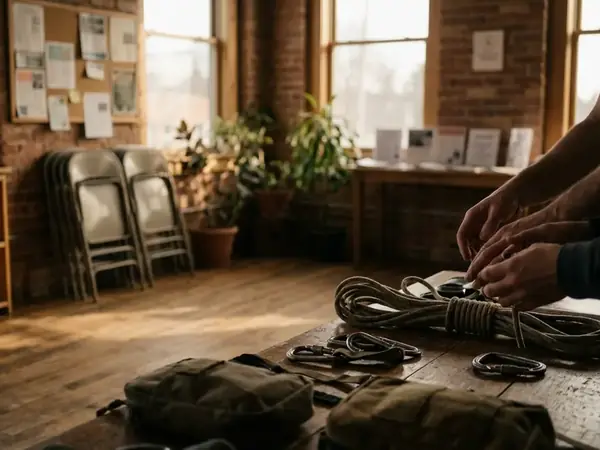
Equipment only works when responders and landowners know the sequence. A practical 60- to 90-minute workshop can cover scene isolation, wide-to-close photography, time and weather notes, livestock identification, carcass cooling, and the need to leave wounds and puncture material undisturbed.
The current campaign goal at community scale is 10 complete rapid-response investigation kits. Each funded kit can be assigned to a trained responder or placed in a regional equipment cache, then checked after every deployment. Campaign reporting should count kits assembled, responders equipped, deployments supported, and case outcomes classified as confirmed predation, probable predation, scavenging, non-predator mortality, or indeterminate.
Funding one of these kits shortens the gap between a landowner’s call and a documented examination. Funding all 10 gives multiple regions the same scales, protective equipment, casting supplies, and evidence labels needed to evaluate reports consistently.
First Light on the Frost-Covered Ridge
At first light, frost still holds the grass flat around a calf on an exposed ridge. A field biologist kneels beside the neck, places a metric scale next to paired punctures, and takes a perpendicular photograph. The landowner stands close enough to see the scale without entering the working area.
The biologist reflects the hide and points to the tissue beneath each opening. Hemorrhage establishes that the bite occurred while circulation remained active. Calipers record the puncture spacing. Notes from the surrounding slope add the track pattern, drag route, broken cover, and carcass handling to the case file.
Only after the inquiry has separated death, later feeding, and species attribution can the evidence support a cougar incident classification. The landowner watches that decision emerge measurement by measurement rather than from the shock of the carcass alone.
Ten funded response kits would place the same tools within reach of the next trained responder. On the ridge, the calipers close gently across the punctures, the measurement enters the field sheet, and a tense morning becomes a documented answer.